Core Components and Functions
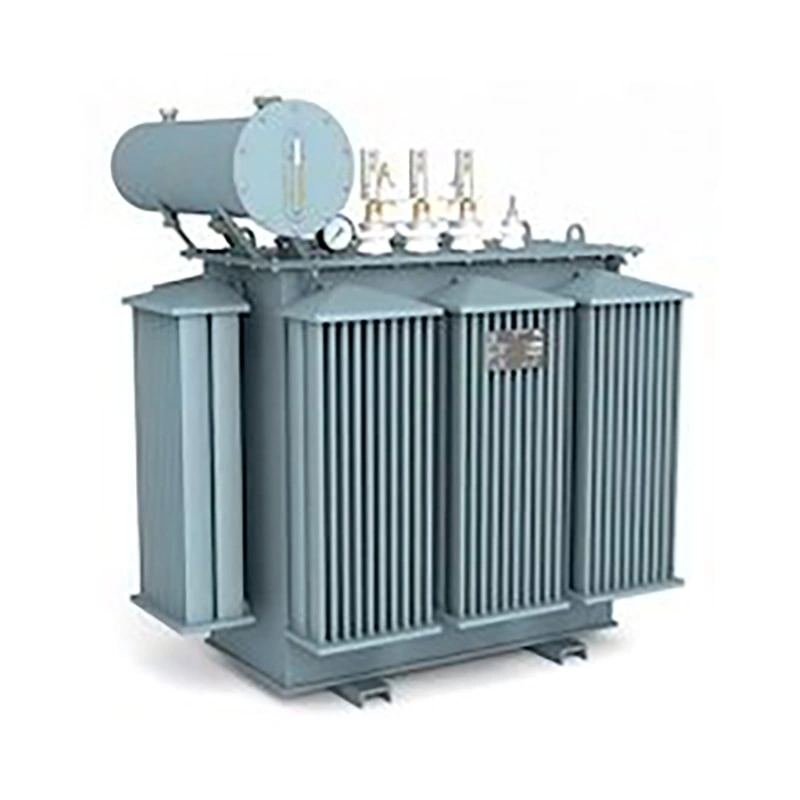
Tank: A sealed steel container filled with insulating oil and the core/windings .
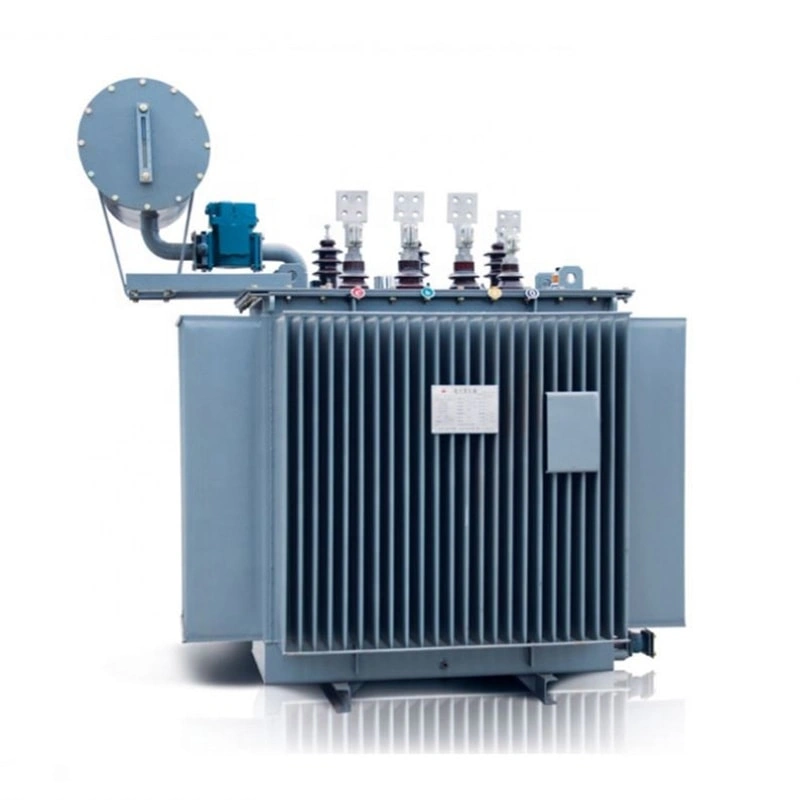
Conservator: Located above the tank, it accommodates the thermal expansion and contraction of the oil and regulates the oil level
Breather: Contains a desiccant (such as silica gel) to filter moisture from the incoming and outgoing air, preventing the insulating oil from getting damp .
Radiators: Increase the heat dissipation area, aiding in oil cooling and reducing transformer temperature
Bushings: Insulating devices that safely connect the transformer's internal winding leads to the external power grid
Buchholz Relay: A protective device that alarms or cuts off power in the event of a minor fault (such as gas generation) or a serious fault (oil surge) inside the transformer .
Tap Changer: Adjusts the output voltage by changing the number of winding turns. It can be divided into two types: off-load (power-off regulation) and on-load (power-on regulation) .
Detailed Analysis of Advantages and Disadvantages
Advantages:
High-efficiency cooling: Oil has good thermal conductivity and high heat dissipation efficiency, allowing the transformer to operate under higher loads .
Excellent insulation: Oil enhances the electrical insulation strength between windings and to ground, improving operational reliability .
High cost-effectiveness: For the same capacity, the manufacturing cost is usually lower than that of dry-type transformers, especially for large capacities .
Long lifespan: Under normal maintenance, the design life can reach 25-35 years, or even longer .
Strong overload capacity: Can withstand short-term overload operation, with strong adaptability .
Disadvantages:
Fire risk: The mineral insulating oil used is flammable, posing a risk of fire from leakage .
Environmental Pollution: Oil leaks can contaminate soil and water sources, requiring stringent handling procedures.
Maintenance Requirements: Regular oil quality testing, filtration, or replacement is necessary, along with checking for leaks.
Installation Site Limitations: Typically requires outdoor installation or a dedicated transformer room, equipped with fire-resistant facilities such as emergency oil tanks.
Selection Considerations:
Capacity (kVA): Determined based on actual load and future growth trends; a 20% margin is recommended.
Voltage Rating (kV): Must match the voltage rating of the power supply system and electrical equipment.
Operating Environment: Consider the temperature, humidity, altitude, and whether special designs such as corrosion resistance and explosion-proof are required at the installation site.
Cooling Method: Selected based on load and installation conditions; common methods include oil-immersed self-cooling (ONAN) and oil-immersed air-cooling (ONAF). -
Safety Compliance: Ensure the product complies with national and industry standards (such as GB standards) and meets local fire safety regulations.
Maintenance Points
Regular Oil Fluid Testing: Check the oil's dielectric strength, moisture content, acid value, etc., and assess whether its insulation performance has deteriorated.
Leakage Prevention Inspection: Regularly inspect the oil tank, valves, seals, etc., to prevent oil leaks. -
Protection Device Calibration: Regularly calibrate safety devices such as gas relays, thermometers, and pressure relief valves to ensure they function properly.
Fire Safety Measures: Strictly adhere to fire safety distances during installation (e.g., for oil volumes exceeding 2500kg, the distance should not be less than 5m), and install fire-fighting facilities such as oil collection tanks.

In power transformer applications, selecting the right cooling method is critical for efficiency, lifespan, and operational safety. Among the most widely used transformer cooling systems are ONAN and ONAF cooling methods. Understanding the differences between these two systems helps utilities, industrial plants, and electrical engineers choose the best transformer solution for their projects.
As global power demand continues to grow in 2026, utilities, factories, renewable energy plants, and commercial facilities are increasingly choosing oil filled transformers for reliable and efficient power distribution. Compared with dry-type transformers, oil immersed transformers provide superior cooling performance, higher overload capacity, and longer service life in demanding environments.
Hot spot temperature is one of the most critical factors affecting the lifespan, efficiency, and operational safety of oil immersed transformers. Excessive hot spot temperatures accelerate insulation aging, reduce transformer reliability, and increase the risk of unexpected failures. For industries relying on continuous power supply, maintaining optimal transformer temperature is essential for long-term performance.Modern power systems widely use both ONAN transformer and ONAF transformer cooling methods to control internal heat generation and improve transformer stability. As a professional transformer manufacturer, Qingdao Haiyifeng Industry and Trade designs and manufactures high-efficiency oil immersed transformers engineered for superior thermal performance and lower hot spot temperatures.According to recent 2026 SEO and AI-search optimization trends, structured technical content with direct answers, practical solutions, and clear engineering explanations performs best for both Google Search and AI-driven search engines.
Choosing the right transformer is one of the most important decisions for industrial project developers and engineers. Factors such as energy efficiency, cooling performance, installation environment, operational lifespan, maintenance costs, and load capacity must all be considered carefully.
Among the most widely used transformer types in industrial applications are the oil immersed transformer and the dry type transformer. Each has its own advantages, disadvantages, and ideal application environments.
Power transformers play a vital role in alternating current (AC) power systems. Their main functions include voltage conversion, power transmission, and electrical isolation. By stepping up or stepping down voltage levels, they enable long-distance power transmission with minimal energy loss and ensure safe distribution to end users.
Did you know? Without transformers, the modern power system would be impossible. High-voltage electricity from power plants is stepped down through a series of transformers before being safely delivered to your home's electrical outlet. These silent "power guardians" work every day, but few people truly understand their internal components and their respective functions.
The three main functions of an electrical transformer are to increase or decrease voltage levels (voltage transformation), enable efficient long-distance power transmission, and provide electrical isolation between circuits.
Exploring the disruptive advantages of Haiyifeng transformer's 3D wound core oil-immersed transformers in power distribution. As a national-level manufacturing single-item champion enterprise, Haiyifeng transformer's with its unique amorphous alloy 3D wound core and other energy-saving core technologies, provides power systems with superior cooling efficiency, stronger insulation protection, and sustainable energy transmission solutions.
In our previous overview, we discussed the basic types and properties of transformer oil. However, engineers and maintenance teams often face real-world challenges: Which oil is best for a tropical substation? How often should dielectric strength be tested? Can I top up a mineral‑oil transformer with ester oil? This article provides quantitative benchmarks, a decision framework, and hands‑on maintenance procedures to help you extend transformer life and avoid costly failures.



Copyright © 2025 by Qingdao Haiyifeng Industry and Trade Co.,Ltd. All Rights Reserved
PRIVACY POLICY