In power transformer applications, selecting the right cooling method is critical for efficiency, lifespan, and operational safety. Among the most widely used transformer cooling systems are ONAN and ONAF cooling methods. Understanding the differences between these two systems helps utilities, industrial plants, and electrical engineers choose the best transformer solution for their projects.
As a professional transformer manufacturer, Qingdao Haiyifeng Industry and Trade produces high-quality oil immersed transformers with both ONAN and ONAF cooling configurations for global industrial and power distribution applications.
What Does ONAN Mean?
ONAN stands for:
● O — Oil
● N — Natural
● A — Air
● N — Natural
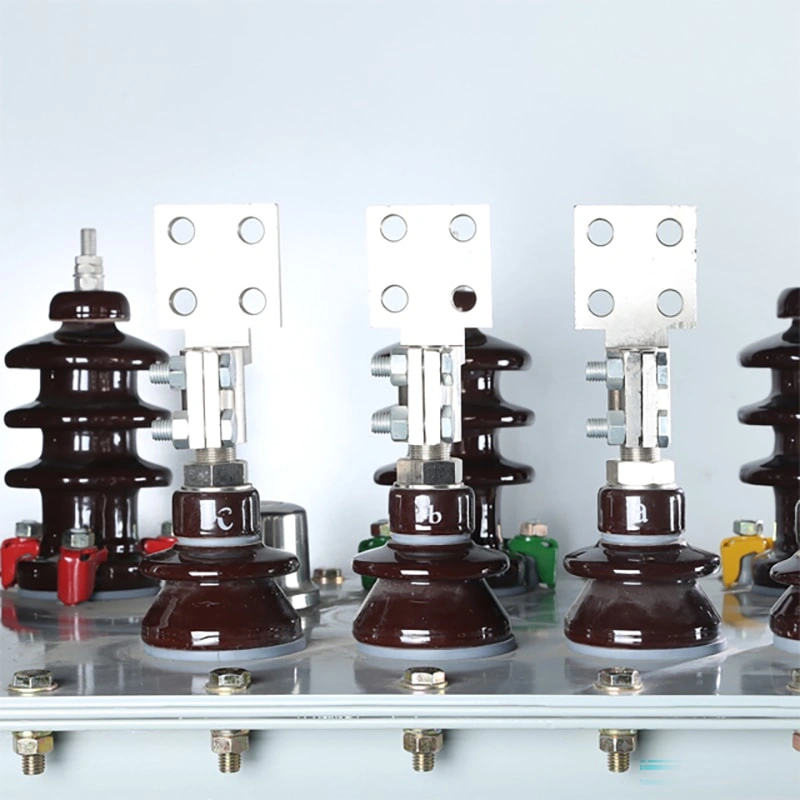
In an ONAN transformer, the insulating oil circulates naturally through the transformer tank without pumps. Heat generated inside the transformer rises naturally through convection, while cooler oil flows downward. At the same time, ambient air cools the external radiator surfaces naturally without fans.
Main Features of ONAN Cooling
● Simple structure
● Lower maintenance requirements
● Reduced operating costs
● Quiet operation
● Suitable for medium-load applications
ONAN cooling is commonly used in:
● Distribution transformers
● Small and medium power transformers
● Indoor substations
● Industrial facilities with moderate load fluctuations
What Does ONAF Mean?
ONAF stands for:
● O — Oil
● N — Natural
● A — Air
● F — Forced
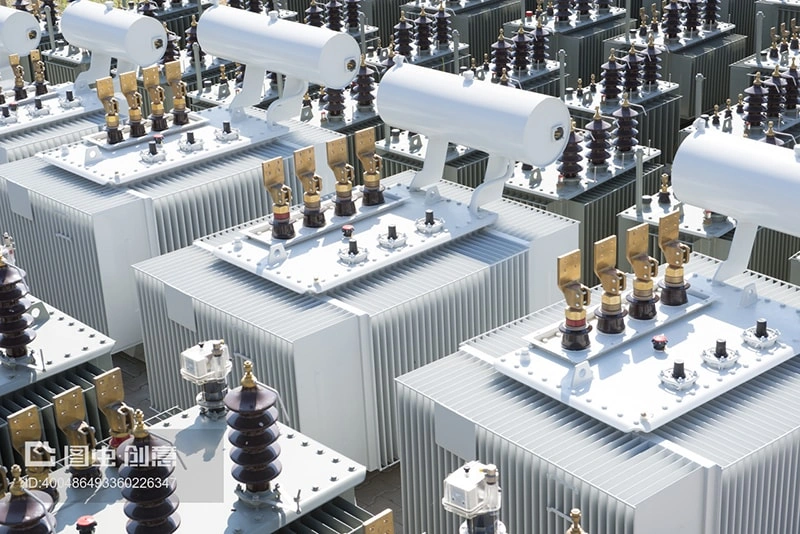
The key difference is the use of cooling fans. Oil circulation still occurs naturally, but external fans force air across the radiator surfaces to remove heat more efficiently.
Main Features of ONAF Cooling
● Higher cooling efficiency
● Increased transformer loading capacity
● Better temperature control
● Suitable for high-demand applications
● Supports overload conditions
ONAF transformers are widely used in:
● Large power substations
● Heavy industrial plants
● Renewable energy systems
● High-load transmission networks
ONAN vs ONAF Cooling: Key Differences
Feature ONAN Transformer ONAF Transformer
Cooling Method Natural oil & natural air Natural oil & forced air
Cooling Fans Not required Required
Cooling Efficiency Moderate High
Transformer Capacity Lower Higher
Noise Level Lower Higher due to fans
Energy Consumption Minimal Slightly higher
Maintenance Easier More maintenance for fan systems
Overload Capability Limited Better overload support
Initial Cost Lower Higher
Transformer Temperature Rise Performance
One of the biggest differences between ONAN and ONAF systems is how they handle transformer temperature rise.
ONAN Cooling
Under heavy load, transformer oil temperature rises more quickly because cooling depends entirely on natural convection.
ONAF Cooling
Cooling fans significantly improve heat dissipation, reducing winding hot spots and maintaining safer operating temperatures even during peak demand.
For high-capacity transformers, controlling hot spot temperature is essential to:
● Extend insulation life
● Improve transformer reliability
● Reduce aging of transformer oil
● Prevent premature transformer failure
Which Cooling Method Is Better?
The choice depends on your operational requirements.
Choose ONAN If You Need:
● Lower operating costs
● Simple maintenance
● Quiet operation
● Moderate load conditions
● Smaller transformer ratings
Choose ONAF If You Need:
● Higher transformer capacity
● Better thermal performance
● Overload capability
● Stable operation in hot climates
● Improved cooling efficiency
In many modern substations, transformers are designed with dual-stage cooling where the unit operates as ONAN under normal loads and automatically switches to ONAF when temperature rises.
Transformer Maintenance Considerations
Proper transformer maintenance is essential regardless of the cooling method.
ONAN Maintenance
Maintenance is generally simpler because there are fewer moving parts:
● Oil inspection
● Radiator cleaning
● Temperature monitoring
● Insulation testing
ONAF Maintenance
Additional inspection is required for:
● Cooling fan operation
● Fan motor condition
● Control systems
● Airflow blockage
● Automatic temperature control devices
Routine maintenance ensures maximum cooling efficiency and extends transformer service life.
Energy Efficiency Comparison
ONAN transformers consume less auxiliary power because no fans are involved. However, ONAF transformers can operate more efficiently under high loads because enhanced cooling reduces thermal stress and losses.
For industrial users with fluctuating demand, ONAF often delivers better long-term performance despite slightly higher auxiliary energy consumption.
Applications of ONAN and ONAF Transformers
Typical ONAN Applications
● Residential power distribution
● Commercial buildings
● Rural substations
● Light manufacturing plants
Typical ONAF Applications
● Steel plants
● Mining operations
● Solar farms
● Wind power stations
● Large utility substations
Why Choose Qingdao Haiyifeng Industry and Trade?
Qingdao Haiyifeng Industry and Trade specializes in manufacturing reliable oil immersed transformers with advanced cooling technologies including ONAN and ONAF systems.
The company provides:
● Custom transformer solutions
● High-efficiency cooling design
● Strict quality control
● International standard manufacturing
● Long service life performance
Its transformers are widely used in industrial, commercial, and utility power systems worldwide.
Conclusion
Understanding the difference between ONAN and ONAF cooling methods is essential when selecting a transformer for your power system. ONAN transformers offer simplicity and low maintenance, while ONAF transformers provide superior cooling performance and higher load capacity.
Choosing the correct cooling method helps reduce transformer temperature rise, improve reliability, and optimize long-term operating efficiency.
For high-quality ONAN and ONAF transformers, Qingdao Haiyifeng Industry and Trade provides professional manufacturing solutions tailored to modern power distribution requirements.

In power transformer applications, selecting the right cooling method is critical for efficiency, lifespan, and operational safety. Among the most widely used transformer cooling systems are ONAN and ONAF cooling methods. Understanding the differences between these two systems helps utilities, industrial plants, and electrical engineers choose the best transformer solution for their projects.
As global power demand continues to grow in 2026, utilities, factories, renewable energy plants, and commercial facilities are increasingly choosing oil filled transformers for reliable and efficient power distribution. Compared with dry-type transformers, oil immersed transformers provide superior cooling performance, higher overload capacity, and longer service life in demanding environments.
Hot spot temperature is one of the most critical factors affecting the lifespan, efficiency, and operational safety of oil immersed transformers. Excessive hot spot temperatures accelerate insulation aging, reduce transformer reliability, and increase the risk of unexpected failures. For industries relying on continuous power supply, maintaining optimal transformer temperature is essential for long-term performance.Modern power systems widely use both ONAN transformer and ONAF transformer cooling methods to control internal heat generation and improve transformer stability. As a professional transformer manufacturer, Qingdao Haiyifeng Industry and Trade designs and manufactures high-efficiency oil immersed transformers engineered for superior thermal performance and lower hot spot temperatures.According to recent 2026 SEO and AI-search optimization trends, structured technical content with direct answers, practical solutions, and clear engineering explanations performs best for both Google Search and AI-driven search engines.
Choosing the right transformer is one of the most important decisions for industrial project developers and engineers. Factors such as energy efficiency, cooling performance, installation environment, operational lifespan, maintenance costs, and load capacity must all be considered carefully.
Among the most widely used transformer types in industrial applications are the oil immersed transformer and the dry type transformer. Each has its own advantages, disadvantages, and ideal application environments.
Power transformers play a vital role in alternating current (AC) power systems. Their main functions include voltage conversion, power transmission, and electrical isolation. By stepping up or stepping down voltage levels, they enable long-distance power transmission with minimal energy loss and ensure safe distribution to end users.
Did you know? Without transformers, the modern power system would be impossible. High-voltage electricity from power plants is stepped down through a series of transformers before being safely delivered to your home's electrical outlet. These silent "power guardians" work every day, but few people truly understand their internal components and their respective functions.
The three main functions of an electrical transformer are to increase or decrease voltage levels (voltage transformation), enable efficient long-distance power transmission, and provide electrical isolation between circuits.
Exploring the disruptive advantages of Haiyifeng transformer's 3D wound core oil-immersed transformers in power distribution. As a national-level manufacturing single-item champion enterprise, Haiyifeng transformer's with its unique amorphous alloy 3D wound core and other energy-saving core technologies, provides power systems with superior cooling efficiency, stronger insulation protection, and sustainable energy transmission solutions.
In our previous overview, we discussed the basic types and properties of transformer oil. However, engineers and maintenance teams often face real-world challenges: Which oil is best for a tropical substation? How often should dielectric strength be tested? Can I top up a mineral‑oil transformer with ester oil? This article provides quantitative benchmarks, a decision framework, and hands‑on maintenance procedures to help you extend transformer life and avoid costly failures.



Copyright © 2025 by Qingdao Haiyifeng Industry and Trade Co.,Ltd. All Rights Reserved
PRIVACY POLICY